
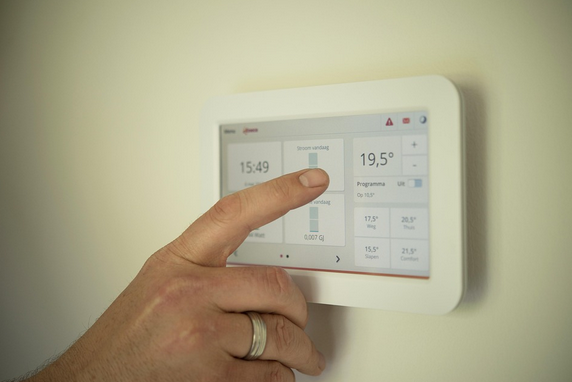
Smart home devices have become part of daily life. From voice assistants to security cameras, these tools offer convenience and control. They allow people to manage their homes with ease. However, this convenience comes with risks. Many of these devices are connected to the internet, which makes them potential targets for hackers. Understanding how these risks arise can help homeowners protect their systems and maintain privacy.
How Smart Devices Become Vulnerable
Smart devices rely on internet connectivity to function. This connection allows them to communicate with apps and other devices. However, it also creates entry points for unauthorized access. Many devices are designed for ease of use. Security settings may not be strong by default. Weak passwords or outdated software can make devices easier to access. Some devices also lack regular updates. Without updates, known vulnerabilities remain unpatched. This increases the risk of exploitation. The combination of convenience and limited security can create gaps. These gaps are often targeted by attackers looking for easy access.
Common Targets Inside the Home
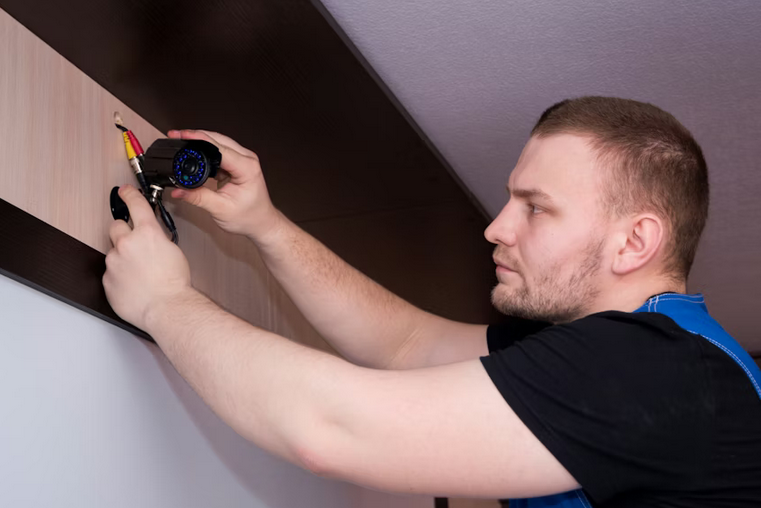
Not all smart devices carry the same level of risk. Some are more attractive to attackers due to the type of data they handle. Security cameras are a common target. Unauthorized access can allow someone to view private spaces. This raises serious privacy concerns. Smart speakers and voice assistants can also be vulnerable. They may store voice recordings or respond to commands. If compromised, they could be used to gather information. Even simple devices like smart lights or thermostats can be targeted. While they may seem harmless, they can act as entry points into a larger network. Understanding which devices are at risk helps homeowners focus on protecting the most sensitive areas.
The Risks of Data Exposure
Smart devices often collect and store data. This includes usage patterns, personal preferences, and sometimes sensitive information. If a device is hacked, this data can be exposed. It may be used for identity theft or other malicious activities. Data exposure can also reveal patterns. For example, information about when a home is occupied can be misused. This creates additional security concerns. Protecting data is as important as protecting the devices themselves. Both are closely connected in a smart home environment.
Network Security and Weak Points
The home network is the foundation of all connected devices. If the network is not secure, every device connected to it becomes vulnerable. Weak Wi-Fi passwords are a common issue. They make it easier for unauthorized users to access the network. Using the same password across multiple devices can also increase risk. If one device is compromised, others may follow. Separating devices into different networks can reduce exposure. For example, keeping smart devices on a separate network limits access to personal data. A strong network setup helps ensure that devices remain protected from external threats.
Convenience and Protection
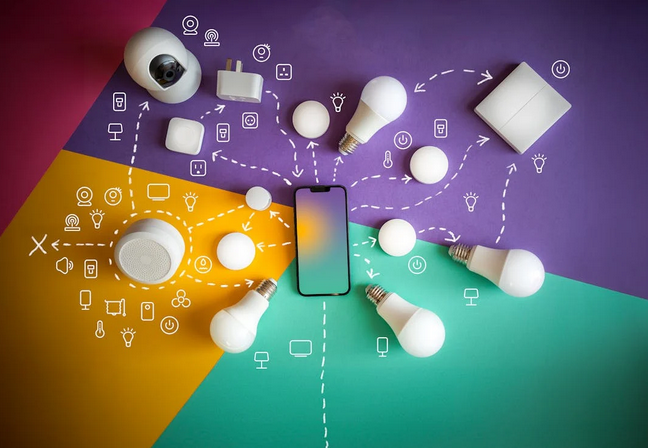
Smart homes offer clear benefits. They simplify daily tasks and improve comfort. However, these advantages should not come at the cost of security. Balancing convenience and protection requires thoughtful choices. This includes selecting devices from reliable manufacturers and reviewing their security features. It also involves maintaining good habits. Strong passwords, regular updates, and careful monitoring all contribute to a safer environment. This balance allows homeowners to enjoy the benefits of technology while reducing risks.
The Role of User Awareness
Technology alone cannot prevent all risks. User behavior plays a major role in security. Many people do not change default settings. This can leave devices exposed. Taking time to adjust these settings can make a significant difference. Regular updates are also important. Installing updates helps fix known vulnerabilities. This reduces the chance of exploitation. Awareness of potential risks helps users make better decisions. It encourages more careful use of smart devices. Simple actions, when done consistently, can improve overall security.
Smart home devices have transformed how people live. They provide convenience and efficiency, but they also introduce new challenges. Hacking risks are a real concern, especially when devices are not properly secured. Understanding how vulnerabilities arise helps in addressing them. It allows homeowners to take practical steps to protect their systems and data. By staying informed and proactive, it is possible to create a safer smart home environment. This approach supports both comfort and security in everyday life.